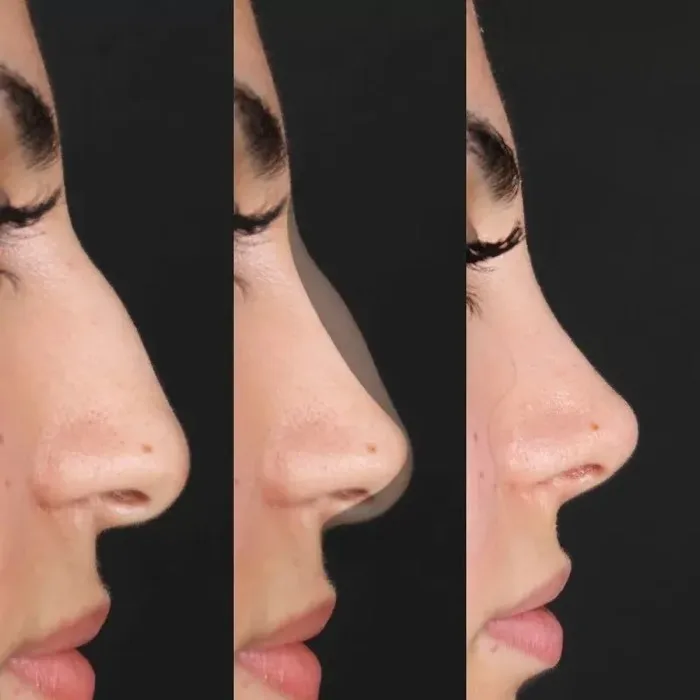
Because the nose is located at the center of the face, it plays a significant role in facial expression, overall appearance, and profile aesthetics. Rhinoplasty (nose reshaping surgery) is a surgical procedure that reshapes the nasal bones and cartilage to achieve a more balanced appearance that complements the patient's facial features. However, successful rhinoplasty is not simply about reducing the size of the nose or correcting a nasal hump. Preserving nasal breathing function is just as important as achieving natural-looking aesthetic results.
For patients considering rhinoplasty in Izmir, ENT and Aesthetic Surgery Specialist Op. Dr. İbrahim Korhan carefully evaluates the available surgical techniques, the procedure itself, and each patient's desired nasal appearance to develop an individualized treatment plan.
What Is Rhinoplasty (Nose Reshaping Surgery)?
Rhinoplasty is a cosmetic surgical procedure performed to modify the size, shape, and proportions of the nose in relation to the rest of the face. During surgery, the nasal hump, nasal tip, nasal bridge, or nostrils may be reshaped. When necessary, additional procedures may be performed to address anatomical abnormalities within the nose.
The primary goal is to create an aesthetically pleasing nose that harmonizes with the patient's facial features while preserving proper nasal breathing function.

Who Is a Suitable Candidate for Rhinoplasty?
Rhinoplasty may be suitable for individuals whose nasal development is complete, who are in good general health, and who have realistic expectations about the surgical outcome.
Rhinoplasty may be considered for individuals who have:
-
A prominent hump on the nasal bridge
-
A drooping, wide, or asymmetrical nasal tip
-
A nose that appears disproportionately large or wide compared to their facial features
-
Nasal deviation or deformities resulting from trauma
-
Breathing difficulties associated with structural abnormalities of the nose
How Is Rhinoplasty Performed?
Rhinoplasty is generally performed under general anesthesia. The procedure typically takes approximately 2–3 hours, although the duration may vary depending on the complexity of the surgery. Depending on the selected surgical technique, the surgeon makes incisions either inside the nostrils or across the tissue between them to access the underlying bone and cartilage structures.
The nasal hump, nasal tip, and supporting structures are then reshaped according to the surgical plan. Cartilage grafts may also be used when necessary. Cartilage grafting is particularly common in revision rhinoplasty, where additional structural support or reconstruction may be required.
What Is the Difference Between Open and Closed Rhinoplasty?
Open rhinoplasty involves a small external incision across the columella, the central strip of tissue separating the nostrils and contributing to nasal tip support. This approach is often preferred when extensive cartilage reshaping or detailed structural adjustments are required.
Closed rhinoplasty, on the other hand, is performed through incisions made entirely inside the nostrils. With the standard closed technique, no external incision is made across the columella.
Both techniques can be used to perform various nasal reshaping procedures.
Op. Dr. İbrahim Korhan, a rhinoplasty surgeon in Türkiye, evaluates each patient's nasal anatomy, clinical examination findings, and relevant diagnostic results to determine the most appropriate surgical technique and develop a personalized treatment plan.
What Is Piezo Rhinoplasty?
Piezo rhinoplasty is a surgical technique in which the nasal bones are reshaped using specialized instruments that generate ultrasonic vibrations. This technology allows surgeons to perform controlled bone reshaping in appropriately selected patients. However, the use of Piezo technology alone does not guarantee better aesthetic outcomes or complication-free recovery.
The decision to use Piezo-assisted techniques is made by the surgeon based on the individual patient's anatomy and surgical requirements.
Can Rhinoplasty Improve Breathing Problems?
Before rhinoplasty, the surgeon evaluates not only the external appearance of the nose but also its internal structures, particularly when the patient reports breathing difficulties. A deviated nasal septum (septal deviation) or other structural abnormalities affecting the nasal airway may contribute to difficulty breathing through the nose.
When appropriate, septoplasty and rhinoplasty can be performed during the same operation. This combined procedure is known as septorhinoplasty.
How Long Does Recovery Take After Rhinoplasty?
The initial recovery period following rhinoplasty typically takes approximately 7–10 days, during which patients gradually begin returning to their normal routines. Swelling, bruising, nasal congestion, and mild blood-tinged discharge may occur during the first few days after surgery. The external nasal splint is usually removed after approximately one week. Many patients can return to everyday activities and light work within 1–2 weeks.
However, strenuous exercise and activities that could expose the nose to injury should be avoided for a longer period. Patients should not resume intensive physical activities without their surgeon's approval.
When Does the Nose Reach Its Final Shape After Rhinoplasty?
The final appearance of the nose does not become visible immediately after rhinoplasty. Swelling gradually decreases during the first few weeks, although swelling around the nasal tip may persist for considerably longer. By approximately one month after surgery, noticeable improvements in nasal definition are often visible. However, further refinement continues as swelling subsides. The nasal shape generally becomes more defined over the following six months, although complete healing and the final aesthetic result may take longer in some patients.
Factors such as skin thickness, surgical technique, and individual healing characteristics can influence the recovery timeline.

How Is Natural-Looking Rhinoplasty Achieved?
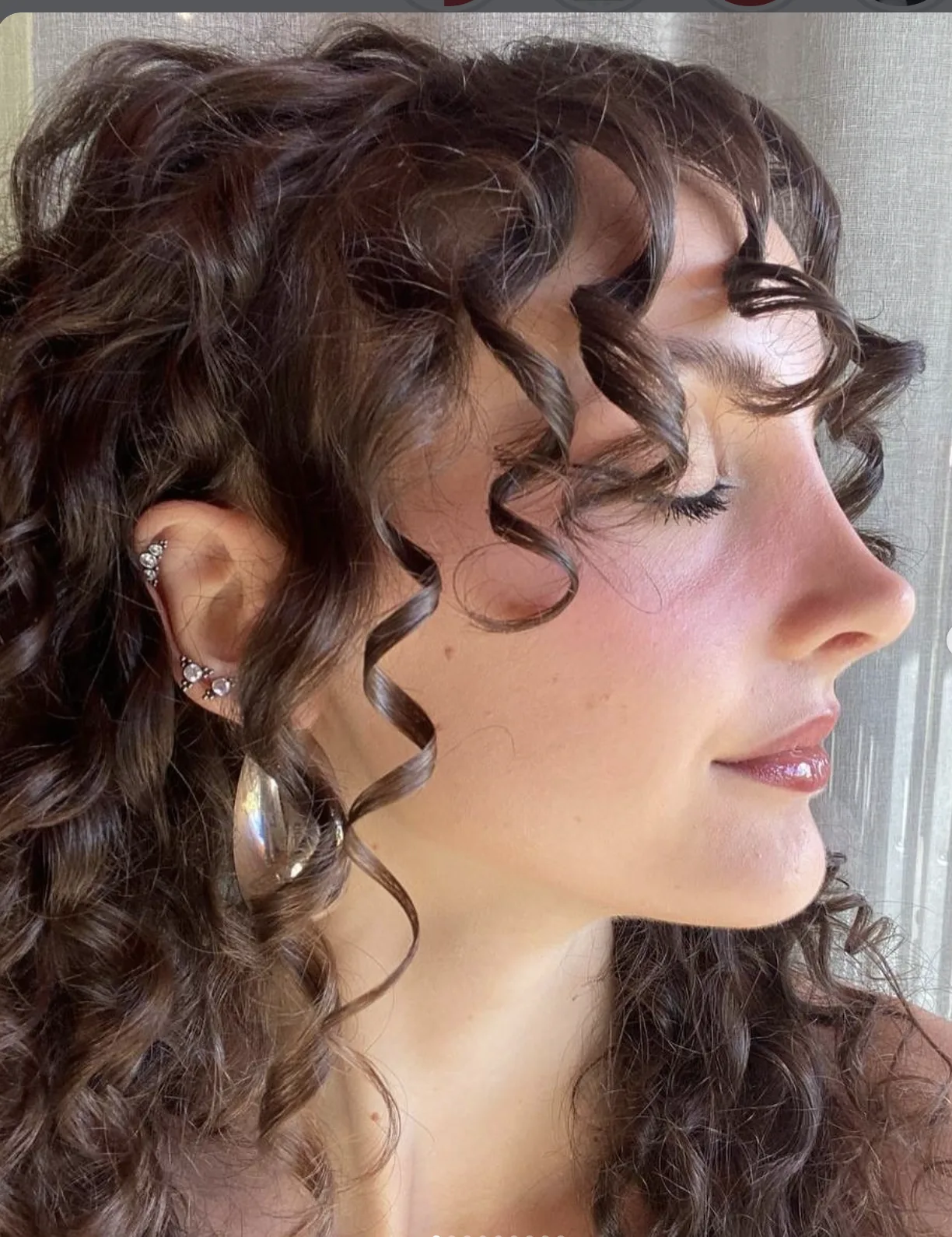
The purpose of natural-looking rhinoplasty is not to create the same nasal shape for every patient. Instead, the surgeon carefully evaluates the nasal bridge, nasal tip, forehead-to-nose transition, chin structure, and overall facial proportions during a comprehensive examination.
A nasal shape that looks attractive on one person may not produce the same result on another. Therefore, rhinoplasty should be individually planned to complement each patient's unique facial anatomy. Personalized surgical planning is essential for addressing both aesthetic expectations and nasal breathing function.
Conclusion
Rhinoplasty in Izmir and Türkiye is among the surgical procedures frequently considered by individuals who wish to improve the appearance of their nose or correct structural nasal abnormalities.
An essential aspect of successful rhinoplasty is evaluating aesthetic goals and nasal breathing function together rather than treating them as separate concerns.
During a consultation with ENT Specialist in Izmir Op. Dr. İbrahim Korhan, patients can receive a comprehensive assessment of their nasal anatomy, discuss suitable surgical options, and learn about the expected recovery process and potential risks.
Based on this evaluation, an individualized surgical treatment plan can be developed according to the patient's anatomical characteristics and aesthetic expectations.
Frequently Asked Questions About Rhinoplasty
Is Rhinoplasty Painful?
Rhinoplasty is not painful during the procedure because anesthesia is administered. After surgery, patients may experience nasal congestion, tenderness, and a feeling of pressure rather than severe pain. The level of discomfort varies from person to person.
Are Nasal Packs Used During Rhinoplasty?
Nasal packing is not necessary for every patient. Depending on the extent of the procedure, silicone supports or internal nasal splints may be used.
When Can I Wear Glasses After Rhinoplasty?
Patients are generally advised to avoid placing glasses directly on the nasal bridge for approximately 6–8 weeks, as pressure on the healing nasal bones and tissues may interfere with recovery. The exact timing should be determined by the surgeon.
What Is the Ideal Age for Rhinoplasty?
Rhinoplasty is generally considered when nasal and facial growth is complete. However, age alone does not determine suitability. Physical development, overall health, and realistic expectations must also be evaluated.
Can Rhinoplasty Affect the Sense of Smell?
Temporary changes in the sense of smell may occur after surgery due to swelling and nasal congestion. These changes generally improve as healing progresses. In rare cases, changes in smell may persist for a longer period.
Will I Need Another Surgery After Rhinoplasty?
Most patients do not require additional surgery. However, revision rhinoplasty may occasionally be necessary if persistent aesthetic concerns, structural irregularities, or breathing difficulties remain after the healing process.
Op. Dr. İbrahim Korhan | Ear, Nose and Throat (ENT) Specialist