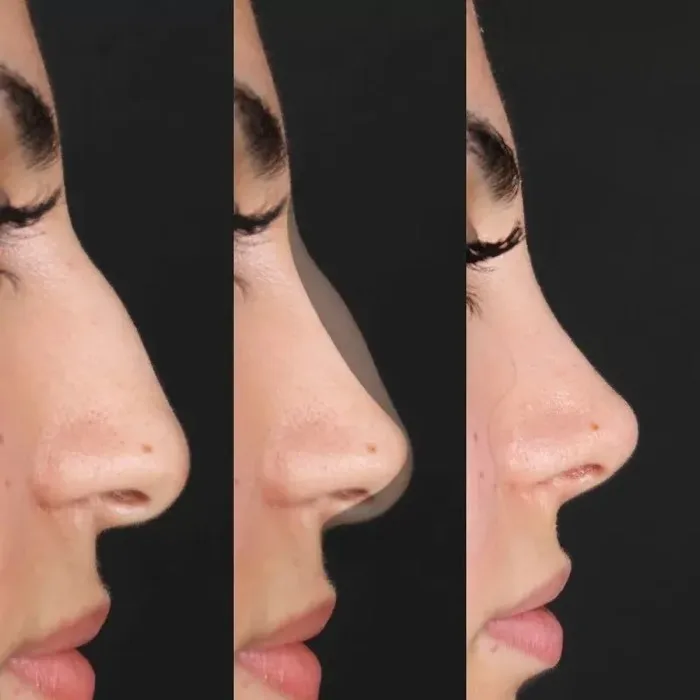
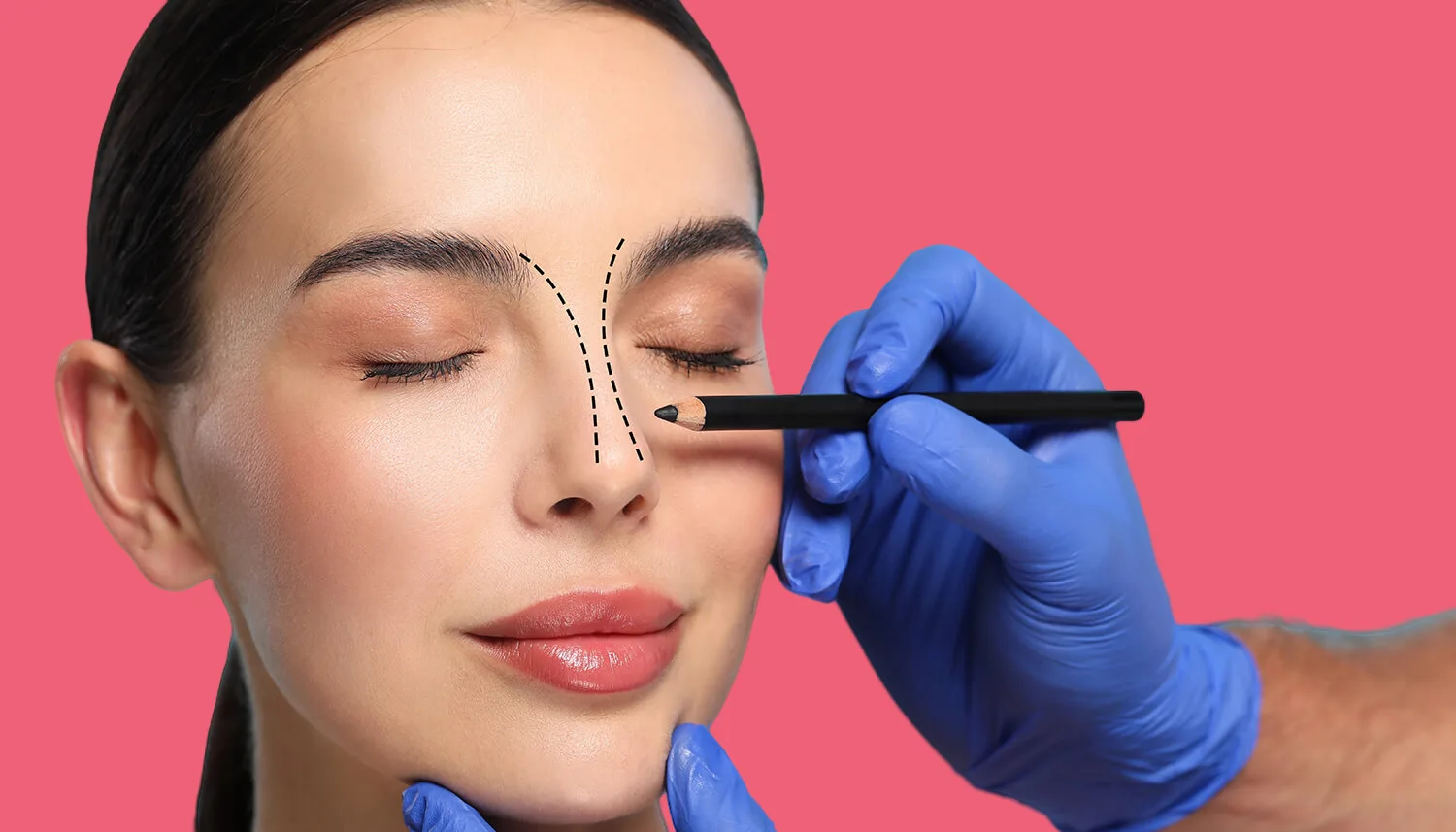
Dissatisfaction with the appearance of the nose after rhinoplasty surgery, as well as problems such as nasal deviation, a drooping nasal tip, or nasal collapse, may make a second operation necessary. Some patients may also experience difficulty breathing through the nose following their initial surgery.
Revision rhinoplasty (secondary rhinoplasty) is a surgical procedure performed to correct nasal deformities and breathing problems following previous nasal surgery. However, a second rhinoplasty may require a more comprehensive assessment than the initial procedure because the nasal bones and cartilage may have already been altered.
Revision rhinoplasty in Turkey is planned according to the patient's existing nasal anatomy and individual concerns. The aim of treatment is to achieve a nose that complements the facial features, improve nasal breathing, and obtain the most natural-looking result possible.
Rhinoplasty surgeon Dr. İbrahim Korhan, with over 15 years of extensive experience, develops personalized treatment plans by carefully evaluating each patient's clinical findings, nasal anatomy, and previous surgical procedures.

What Is Revision Rhinoplasty?
Revision rhinoplasty is a secondary nasal surgery performed to correct aesthetic irregularities or breathing difficulties in patients who have previously undergone rhinoplasty. It is also medically referred to as secondary rhinoplasty.
During this procedure, irregularities along the nasal bridge, nasal tip deformities, asymmetry, and structural problems causing nasal obstruction can be corrected.
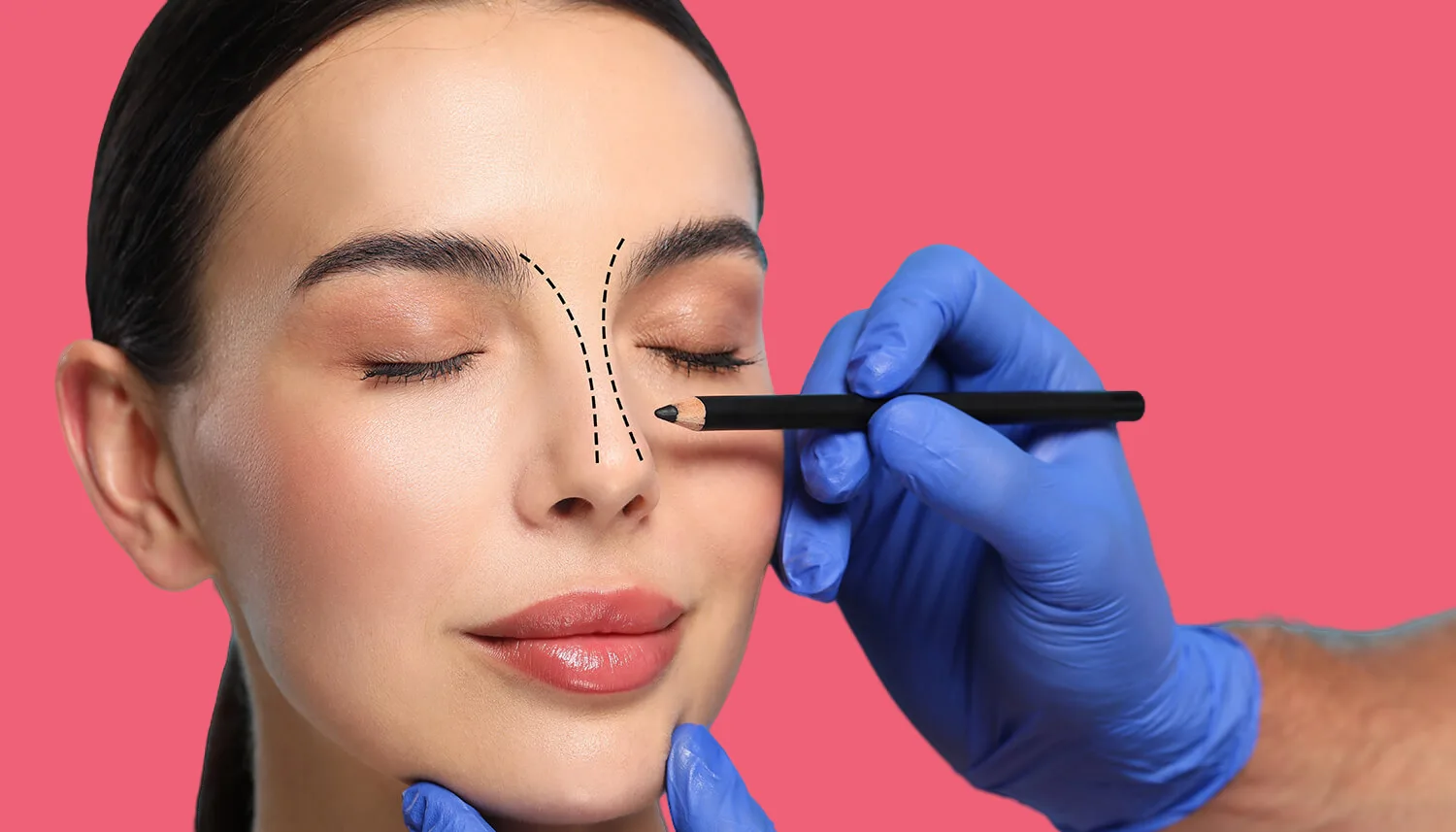
Why Is Revision Rhinoplasty Performed?
Secondary rhinoplasty is performed to address problems that persist after the initial surgery or become noticeable during the healing process.
The most common reasons for revision rhinoplasty include:
-
Drooping Nasal Tip
-
Crooked Nose or Nasal Deviation
-
Nasal Bridge Collapse
-
Persistent Nasal Hump
-
Asymmetrical Nostrils
-
Difficulty Breathing Through the Nose
Revision rhinoplasty may be recommended for patients experiencing these problems.

How Long After the First Surgery Can Revision Rhinoplasty Be Performed?
Revision rhinoplasty should generally be performed at least 12 months after the initial nasal surgery.
This is because nasal tissues typically require between 6 months and 1 year to heal, swelling to subside, and the final nasal shape to develop. Swelling around the nasal tip, in particular, may persist for longer.
Therefore, not every asymmetry observed during the early recovery period is permanent.

How Is Revision Rhinoplasty Performed?
Revision rhinoplasty is performed under general anesthesia. The operation typically takes approximately 3 to 4 hours, although the duration may be shorter or longer depending on the patient's nasal anatomy and the complexity of the procedure. A more accurate estimate can be provided following the initial examination.
The surgeon evaluates the previously operated nasal tissues and accesses the existing bone and cartilage structures.
When necessary, the nasal bridge is corrected, the nasal tip is reshaped, or weakened structural support is reinforced using cartilage grafts.
How Many Hours Does Revision Rhinoplasty Take?
Revision rhinoplasty generally takes approximately 3 to 4 hours. Minor corrections may require less time, while procedures involving rib cartilage grafts or extensive structural reconstruction may take longer. The expected duration can be estimated following a detailed nasal examination and surgical planning.
How Long Does Recovery Take After Revision Rhinoplasty?
During the first few days after surgery, patients may experience swelling around the nose and eyes, bruising, and temporary nasal congestion. Many patients can return to light daily activities within approximately 1–2 weeks.
However, complete healing of the nasal tissues takes considerably longer. Particularly following extensive revision procedures, the final nasal appearance may take approximately 8 to 12 months to become apparent.
What Should You Consider When Choosing a Revision Rhinoplasty Surgeon in Turkey?
Patients considering revision rhinoplasty should have both the appearance of their nose and their nasal breathing function carefully evaluated.
If breathing difficulties are present, the underlying problems may be addressed during the same surgical procedure.
The surgeon's experience in revision rhinoplasty, approach to cartilage reconstruction, and postoperative follow-up plan are important considerations.
Additionally, reviewing medical records from the initial surgery and, whenever possible, previous photographs can help with surgical planning.
Conclusion
Revision rhinoplasty (secondary rhinoplasty) is a surgical treatment option for individuals who have previously undergone nasal surgery but remain dissatisfied with the appearance of their nose or experience breathing difficulties.
Problems such as nasal deviation, a drooping nasal tip, nasal collapse, and other deformities following the initial operation may be corrected through revision rhinoplasty in suitable patients.
However, because every patient's nasal anatomy is different, the extent of the second procedure varies from person to person.
The primary goals of treatment are to correct nasal deformities, improve breathing function, and achieve a natural-looking nose that harmonizes with the patient's facial features.
Rhinoplasty surgeon in Turkey Dr. İbrahim Korhan provides personalized treatment planning by thoroughly examining the nasal anatomy, existing structural changes, and breathing function of patients who have previously undergone rhinoplasty.
Frequently Asked Questions About Revision Rhinoplasty
1. How Many Times Can Revision Rhinoplasty Be Performed?
There is no fixed limit to the number of revision procedures. However, each additional surgery increases scar tissue formation and may limit future surgical options.
2. Is Revision Rhinoplasty Painful?
Patients do not experience pain during the operation because it is performed under anesthesia. Some pain, pressure, and nasal congestion may occur for several days afterward.
3. Does Revision Rhinoplasty Leave Scars?
If an open surgical technique is used, a small scar may develop on the columella, the area of tissue between the nostrils.
4. Can the Nose Be Made Smaller During Revision Rhinoplasty?
Nasal reduction may be possible in some patients. However, if excessive tissue was removed during the initial procedure, preserving or restoring structural support becomes more important.
5. Can Revision Rhinoplasty Improve Breathing?
Breathing may improve if the underlying cause of nasal obstruction can be corrected surgically. However, a successful outcome cannot be guaranteed for every patient.
6. How Many Days Should International Patients Stay in Turkey for Revision Rhinoplasty?
International patients should generally plan to stay in Turkey for approximately 5–6 days to allow time for the preoperative examination and initial postoperative follow-up appointments. However, a longer stay may be necessary depending on the patient's individual condition.
7. How Much Does Revision Rhinoplasty Cost in Turkey?
The cost of revision rhinoplasty varies depending on the complexity of the procedure, the need for cartilage grafts, the surgical technique, and hospital facilities.
An accurate price can be determined following a medical examination and individualized surgical planning.
Medical Disclaimer: This article is intended for informational purposes only and does not constitute medical advice, diagnosis, or treatment. Please consult a qualified medical specialist for diagnosis and treatment.