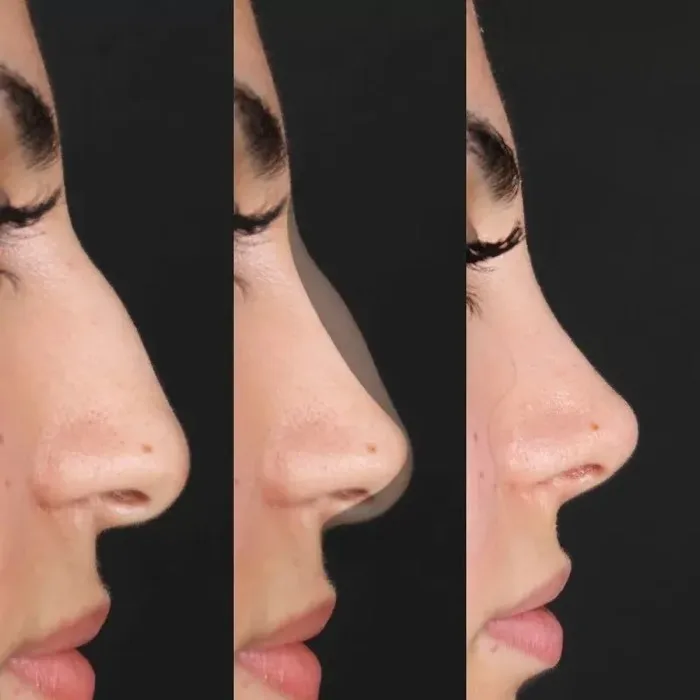
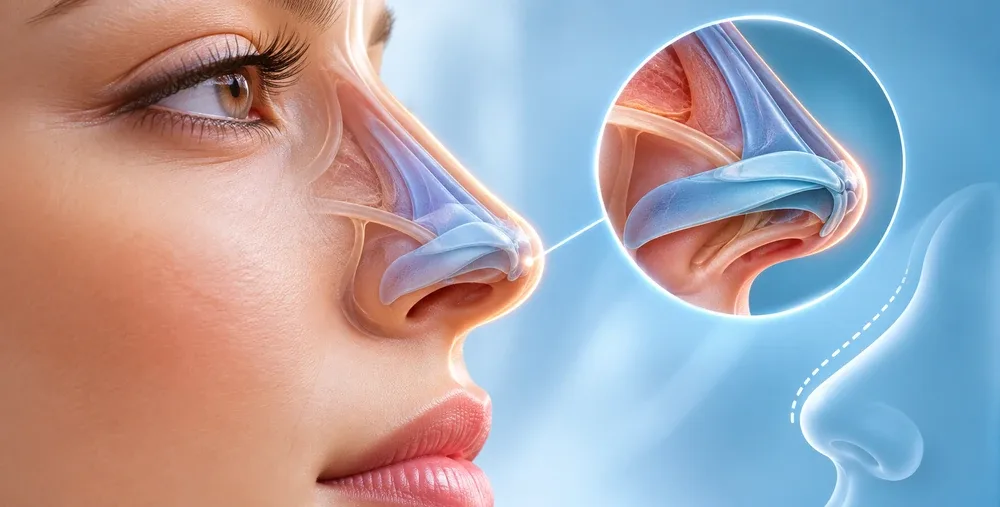
After rhinoplasty surgery, you may notice when looking in the mirror that the tip of your nose appears lower than before. Changes in the shape of the nasal tip, particularly during the first few months after surgery, can cause patients to worry about the outcome of the procedure.
Nasal tip drooping does not occur in every patient after rhinoplasty. Changes observed during the first few months are often related to the reduction of swelling and the gradual adjustment of nasal tissues to their new shape. However, some patients may develop true nasal tip drooping if the cartilage structures supporting the nasal tip were not adequately reinforced during surgery.
Determining whether changes in the nasal tip are part of the normal healing process or a problem requiring correction depends on the time elapsed since surgery and a detailed examination of the nasal structure.
Why Does the Nasal Tip Droop After Rhinoplasty?
Nasal tip drooping after rhinoplasty occurs when the cartilage structures supporting the nasal tip and the surrounding tissues gradually change position. Insufficient support of the nasal tip during surgery, scar tissue formation during healing, or trauma to the nose may contribute to nasal tip drooping.
However, it is considered normal for the nasal tip to appear elevated immediately after surgery and gradually settle into a slightly lower position over the following months.

When Does the Nasal Tip Droop After Rhinoplasty?
The appearance of the nasal tip begins to change within the first few weeks after surgery. Particularly during the first 3–6 months, as swelling subsides, the angle and definition of the nasal tip may appear different. It can take up to 12 months for the nasal tip to reach its final shape. Recovery may take longer in patients with thick nasal skin or those who have undergone extensive surgery.
If the nasal tip continues to droop progressively or the drooping becomes permanent, you should consult your surgeon.
How Can You Tell the Difference Between Nasal Tip Drooping and Swelling?
Swelling following rhinoplasty may cause the nasal tip to appear wider, rounder, or lower than expected. Changes in appearance caused by swelling generally improve as the swelling subsides. In cases of true nasal tip drooping, however, changes occur in the actual shape and position of the nasal tip.
To distinguish nasal tip drooping from postoperative swelling, the surgeon compares photographs taken before and after surgery and examines the nasal cartilage structures.
How Can Nasal Tip Drooping Be Prevented After Rhinoplasty?
Adequate cartilage support established during surgery plays an important role in maintaining the long-term shape of the nasal tip. Patients should also follow certain precautions during recovery.
These include:
-
Following the surgeon's instructions regarding nasal taping, splints, and postoperative care.
-
Avoiding pressure on the nose and protecting it from injury.
-
Resuming strenuous exercise and contact activities only after receiving the surgeon's approval.
-
Following medical advice regarding wearing glasses and sleeping face down.
-
Attending all scheduled follow-up appointments.
Can the Nasal Tip Droop After Closed Rhinoplasty?
Nasal tip drooping can also occur after closed rhinoplasty. However, choosing the closed technique does not necessarily mean that the nasal tip will droop.
The main factors influencing the long-term appearance of the nasal tip are the cartilage structure, the support provided during surgery, and the way the tissues heal.
The choice between open and closed rhinoplasty should be made by the surgeon based on the patient's individual nasal anatomy.
Can the Nasal Tip Droop in Patients with Thick Nasal Skin?
Thick nasal skin may cause postoperative swelling to persist for a longer period. As a result, the nasal tip may appear rounder or lower in patients with thick skin. However, thick nasal skin does not necessarily mean that true nasal tip drooping will develop. It is important to evaluate both cartilage support and skin characteristics during surgical planning.
How Is Nasal Tip Drooping Corrected After Rhinoplasty?
Treatment for nasal tip drooping depends on the underlying cause. If the change in appearance is caused by swelling, monitoring the healing process may be sufficient.
However, when cartilage support has been lost or the nasal tip has permanently settled into a lower position, revision rhinoplasty (secondary rhinoplasty) may be performed. During revision surgery, cartilage grafts may be used in suitable patients to reinforce the nasal tip.
Preserving nasal breathing function is also an important consideration when planning treatment.

When Can Revision Rhinoplasty Be Performed for Nasal Tip Drooping?
The decision to undergo a second rhinoplasty is generally made after the initial healing process has been completed. For most patients, waiting at least 12 months is preferred.
However, if significant breathing difficulties or other complications are present, revision rhinoplasty may be considered earlier in selected patients following a detailed medical examination.
Conclusion
Changes in the appearance of the nasal tip after rhinoplasty do not always indicate true nasal tip drooping. During the first few months, the nasal tip gradually takes on its new shape as swelling decreases and the tissues settle. However, permanent nasal tip drooping may develop in some patients due to insufficient cartilage support. In such cases, the most appropriate treatment is determined by evaluating both the nasal structure and breathing function.
Rhinoplasty surgeon in Turkey, Dr. İbrahim Korhan, provides personalized treatment plans for patients experiencing changes in nasal tip shape or position after rhinoplasty. He carefully evaluates the nasal cartilage structures, current nasal appearance, and breathing function.
Frequently Asked Questions
1. Can Smiling Cause the Nasal Tip to Droop After Rhinoplasty?
Temporary movement of the nasal tip while smiling may be related to facial muscle activity. This alone does not indicate permanent nasal tip drooping.
2. Can Nasal Tip Drooping Affect Breathing?
Yes. In some patients, changes or weakening of the structures supporting the nasal tip may narrow the nasal entrance and cause breathing difficulties.
3. Can a Drooping Nasal Tip Improve on Its Own After Rhinoplasty?
A nasal tip that appears droopy due to swelling may improve as healing progresses. However, permanent drooping caused by a loss of cartilage support may not resolve on its own.
4. Can Massaging the Nasal Tip Prevent Drooping?
There is no established evidence that massage prevents nasal tip drooping. Pressure should not be applied to the nasal tip without the surgeon's recommendation.
5. Is Nasal Tip Stiffness Normal After Rhinoplasty?
Yes. Particularly during the first few months, the nasal tip may feel firm due to swelling and healing tissues. This stiffness may gradually decrease over time.
6. Can Nasal Tip Drooping Be Corrected Without Surgery?
Changes in appearance caused by swelling may resolve without surgery. However, when there is a genuine loss of cartilage support, surgical correction may be necessary for a lasting result.
7. Can the Nasal Tip Droop Years After Rhinoplasty?
Yes. The appearance of the nasal tip may change even years after surgery due to aging, gradual tissue changes, or problems affecting nasal support.
Medical Disclaimer: This article is intended for informational purposes only and does not constitute medical advice, diagnosis, or treatment. Please consult a qualified medical specialist for diagnosis and treatment.