CONTACT
+90 552 577 53 73

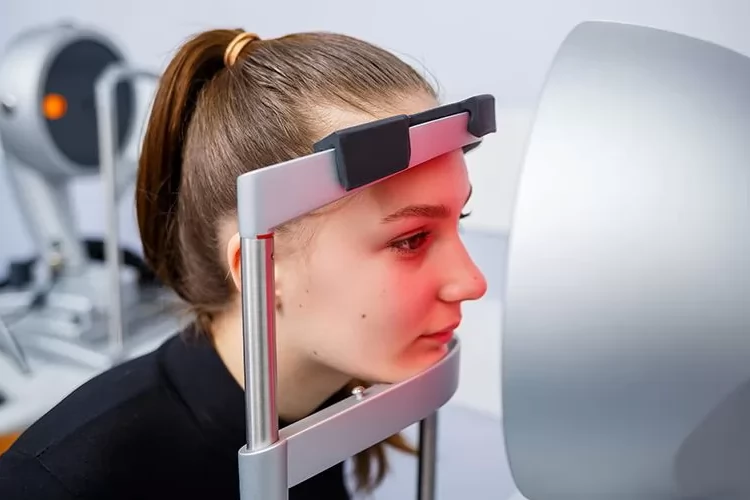
3D simulation is the visualization of possible surgical outcomes by processing data obtained through high-resolution photographs and/or facial scanners in a software environment. Its purpose is to make the patient’s expectations more tangible, help the surgeon define a “target range” that respects anatomical limits, and strengthen communication. Simulation is not a promise, but a window of probability; variables such as skin quality, healing biology, and edema dynamics affect the final outcome.
Photographs are taken from frontal, oblique, profile, and additional angles according to a standardized lighting and angle protocol, or the face is recorded using a 3D facial scanner. In the software environment, areas such as the nasal dorsum, nasal tip, alar base, and chin projection are adjusted parametrically. For profile balance, the nasolabial angle, mentum projection, and forehead–nose–chin relationship are evaluated together. If the resulting model is compatible with the surgical plan, it is recorded and used as a reference range during surgery.
Communicating through a concrete visual provides visual and measurable answers to the question “how much change?” and helps prevent unrealistic expectations. It clearly demonstrates how small changes can affect overall facial expression within facial harmony. Simulation outputs can also be used for sharing with relatives and for educational purposes.
It enables planning based on objective measurements. Graft requirements, septal reserve, nasal tip support, and nasal valve angles can be analyzed preoperatively. This analytical approach helps optimize operative time and reduce the risk of revision surgery. It also makes it easier to create vector-based correction plans, especially in cases of asymmetry.
3D simulation cannot fully predict biological factors such as skin thickness, wound healing, temporal changes in edema, and cartilage elasticity. Therefore, simulation does not represent a definitive result. Intraoperative anatomical findings and the healing process may lead to deviations from the simulation. This should be clearly explained to the patient.
Photographs and 3D facial data are personal data. The purpose of use and storage duration must be defined through informed consent. Data should be stored on secure servers with restricted access rights. Separate consent must be obtained for any images intended for sharing.
3D digital simulation is an important tool that strengthens planning and patient–physician communication in aesthetic surgery. When used together with realistic expectations and surgical experience, it increases patient satisfaction. The best results are achieved through personalized approaches that balance technology with anatomical knowledge and surgical intuition.